Learning at KMS

Learning at KMS

Learning at KMS is designed to help children explore, discover, and grow with confidence.

We believe that young children learn best when they are curious and actively involved in the learning process.

Through a variety of carefully designed tools and activities, children experience learning in ways that are engaging, meaningful, and enjoyable.
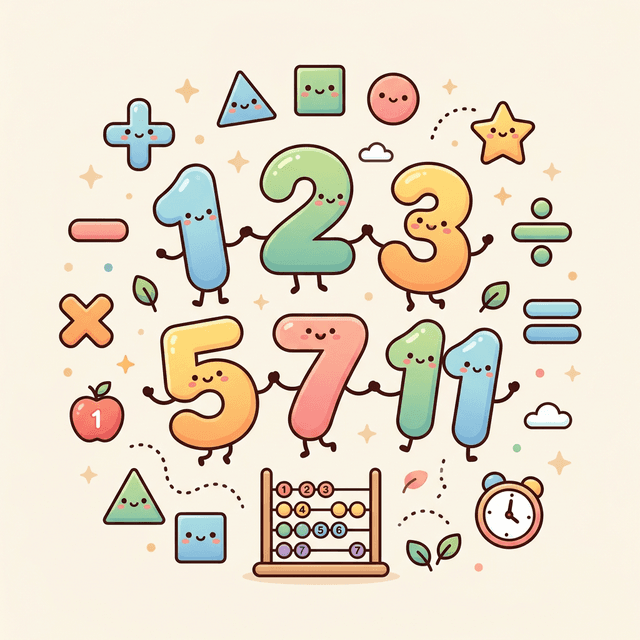
Hands-on Learning Materials

Hands-on Learning Materials

Children learn by touching, observing, and exploring different learning materials that help them understand ideas in a simple and natural way.

Examples include:

  • Shape and pattern blocks
  • Number boards and counting objects
  • Sorting and matching activities
  • Building blocks and puzzles
Creative Activities

Creative Activities

Creativity plays an important role in early childhood learning.

Children regularly take part in activities that help them imagine, express, and create with joy.

Children regularly participate in activities such as:

  • Drawing and coloring
  • Paper crafts and simple art projects
  • Clay modeling
  • Creative storytelling
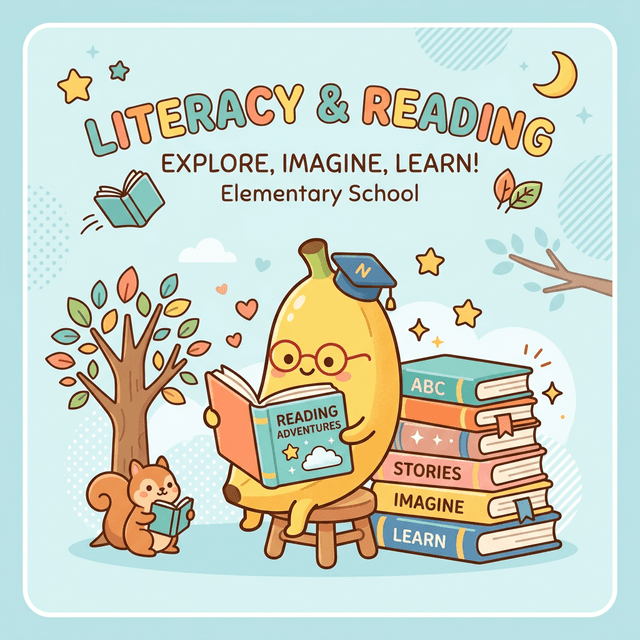
Language Development

Language Development

Strong communication skills begin at an early age.

At KMS, language learning supports listening, speaking, understanding, and confident expression.

At KMS, language learning includes:

  • Storytelling sessions
  • Rhymes and songs
  • Picture reading activities
  • Simple speaking and listening exercises
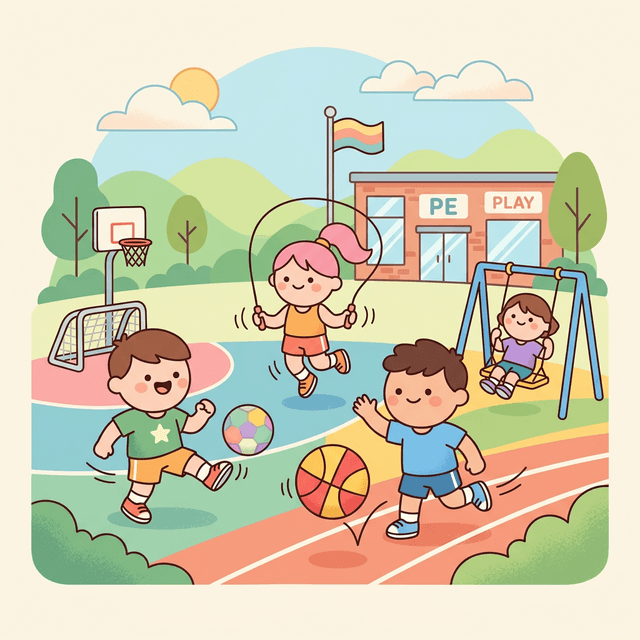
Play-Based Learning

Play-Based Learning

Play is an important part of how children understand the world around them.

Play-based experiences help them build curiosity, teamwork, imagination, and confidence in a natural way.

Our play-based learning includes:

  • Group games
  • Interactive classroom activities
  • Outdoor play
  • Role-play and imagination games
Practical Life Activities

Practical Life Activities

This Montessori element encourages children to develop independence through everyday tasks and purposeful movement.

Examples include:

  • Organizing learning materials
  • Simple classroom responsibilities
  • Hands-on tasks that improve coordination and focus
  • Sensory activities